

Introduction
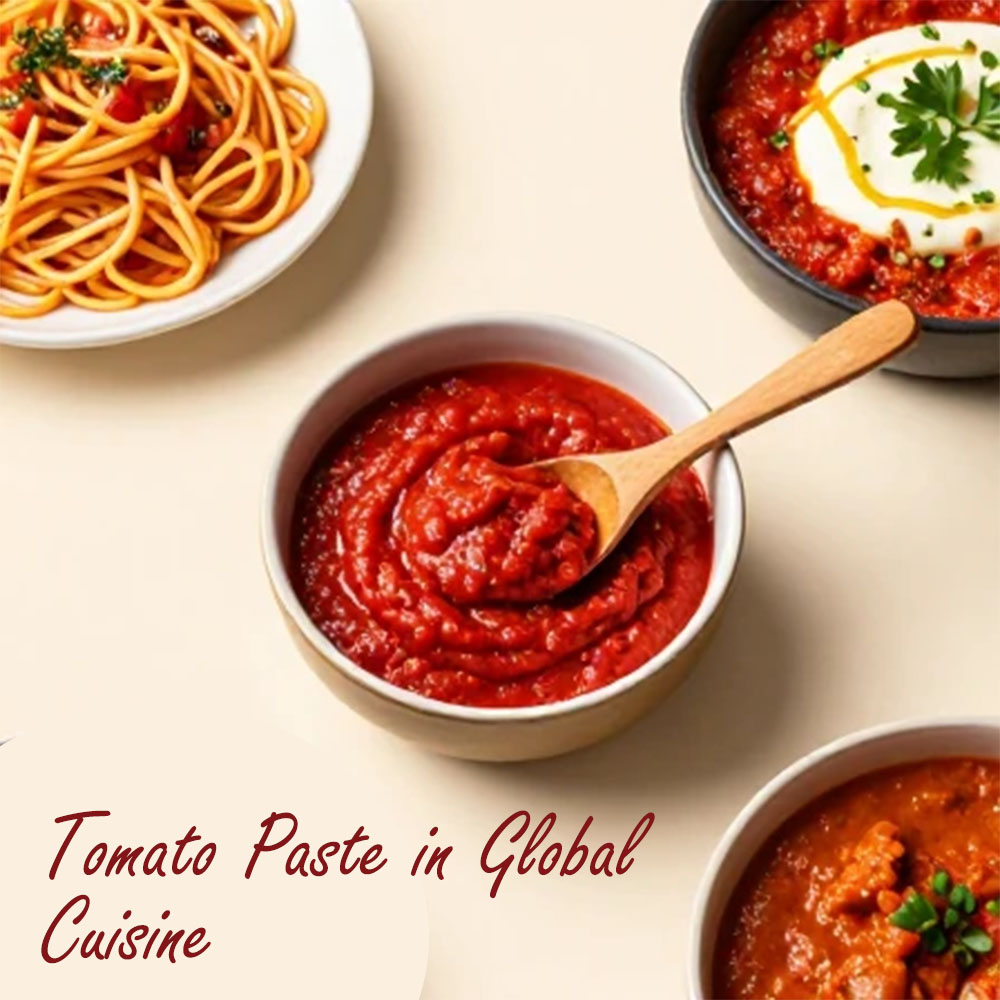
Tomato paste, a product of concentrated tomatoes, has become an indispensable ingredient in kitchens around the globe. While often associated with Italian cuisine, its influence extends far beyond, permeating culinary traditions across continents. Its rich flavor, intense color, and concentrated nutrients make it a valuable addition to a wide array of dishes. This article delves into the diverse culinary uses of tomato paste, exploring its role in various cuisines and showcasing its adaptability to different flavor profiles.
Mediterranean Marvel: The Foundation of Italian and Greek Cuisine
The Mediterranean region, particularly Italy and Greece, is arguably where tomato paste shines brightest.
- Italian Cuisine: Tomato paste is a cornerstone of many classic Italian dishes. It forms the base for:
- Pasta Sauces: From the simple pomodoro sauce to richer ragùs, tomato paste provides depth and intensity of flavor.
- Pizza: It’s a key ingredient in pizza sauce, contributing to the vibrant red color and savory taste.
- Soups and Stews: Tomato paste adds richness and body to soups like minestrone and hearty stews.
- Greek Cuisine: In Greece, tomato paste (known as pastarda) is used in:
- Fassolia: A traditional bean soup where tomato paste provides a deep, savory flavor.
- Briam: A roasted vegetable medley where tomato paste adds richness and color.
- Meat Dishes: Often incorporated into meat sauces and stews for added depth.
Latin American Flair: A Spicy and Savory Addition
Latin American cuisines embrace tomato paste for its ability to add both flavor and color to a variety of dishes.
- Mexican Cuisine: Tomato paste is a key ingredient in:
- Salsas: Used to thicken and deepen the flavor of various salsas.
- Mole: A complex sauce often incorporating tomato paste for its rich color and savory notes.
- Stews and Soups: Adds body and flavor to hearty stews like pozole.
- Peruvian Cuisine: Used in caucauja, a hearty potato and meat stew.
- Brazilian Cuisine: Found in feijoada, a black bean stew, adding depth and richness.
Asian Adventures: Unexpected Applications
While perhaps less prominent than in Mediterranean or Latin American cuisines, tomato paste finds surprising and innovative uses in Asia.
- Japanese Cuisine: Used in okonomiyaki, a savory pancake, to add umami and color.
- Korean Cuisine: Incorporated into jjigae (stews) for a richer, deeper flavor.
- Indian Cuisine: Occasionally used in curries and vegetable dishes to add a subtle sweetness and depth.
African Delights: A Savory Base for Stews and Soups
Tomato paste is a vital ingredient in many African cuisines, forming the base for countless stews and soups.
- West African Cuisine: A staple in dishes like:
- Jollof Rice: A popular rice dish where tomato paste is a key ingredient, contributing to its signature red color and savory flavor.
- Egusi Soup: A soup made with melon seeds, where tomato paste adds richness and depth.
- North African Cuisine: Used in tagines and other stews to add a savory base.
Beyond the Basics: Creative and Modern Uses
Beyond traditional applications, chefs are increasingly exploring innovative uses for tomato paste:
- Concentrated Flavor Boost: A small amount of tomato paste can be added to sauces, soups, and stews to intensify their flavor.
- Color Enhancement: Its vibrant red color can be used to enhance the visual appeal of dishes.
- Thickening Agent: Tomato paste can be used to thicken sauces and soups without significantly altering their flavor.
Conclusion
From the sun-drenched shores of the Mediterranean to the bustling markets of Asia and Africa, tomato paste has established itself as a truly global ingredient. Its versatility, affordability, and concentrated flavor make it a valuable addition to kitchens worldwide. Whether used as a foundational element in classic dishes or as a creative ingredient in modern cuisine, tomato paste continues to enrich culinary traditions across the globe